Source Outdoor Hunting Quick Detach Sling for Tactical, Hunting, Security
Compare 30 listings of outdoor hunting quick detach sling products featuring durable nylon construction and universal fit. Buyers can evaluate specifications, MOQs, and customization options for tactical, hunting, and security applications.
Key considerations
Products List
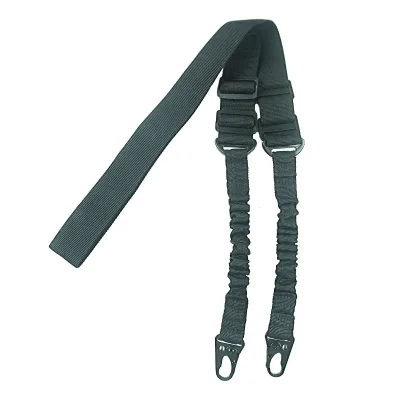
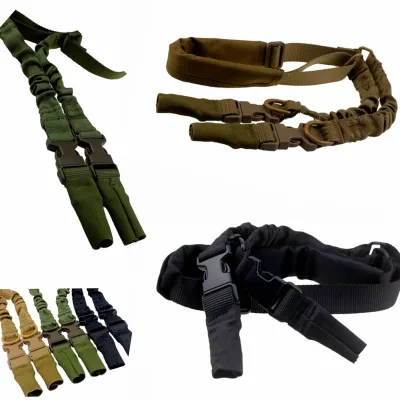
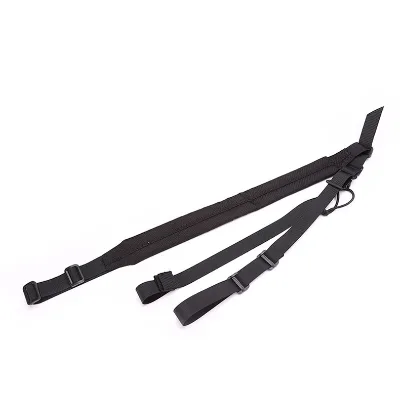
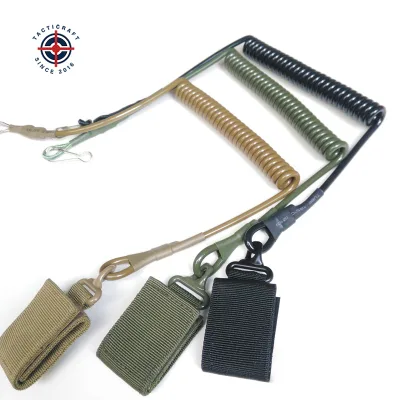
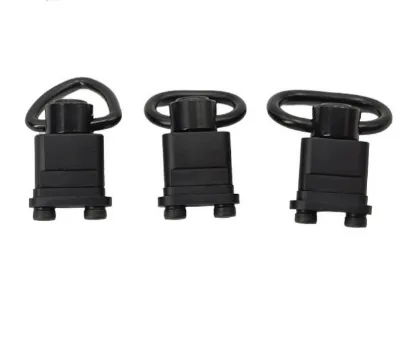
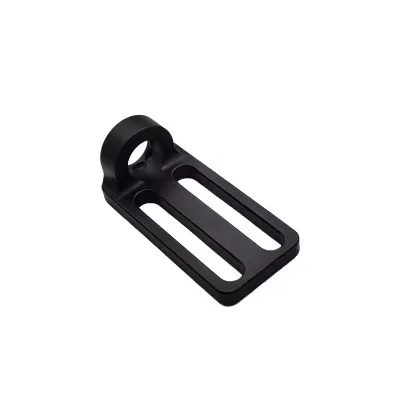


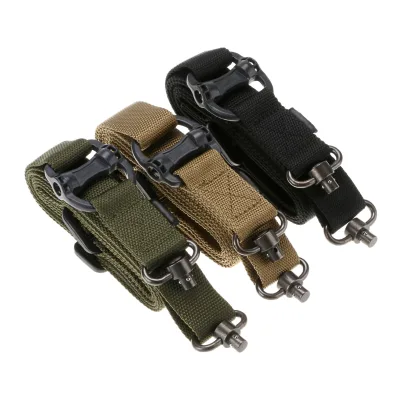
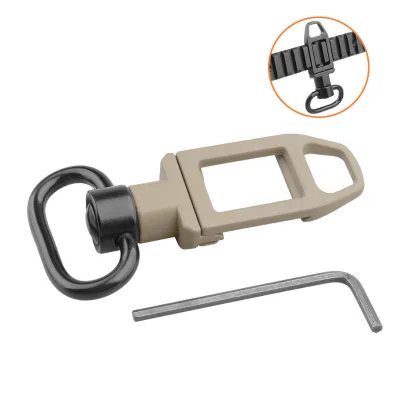
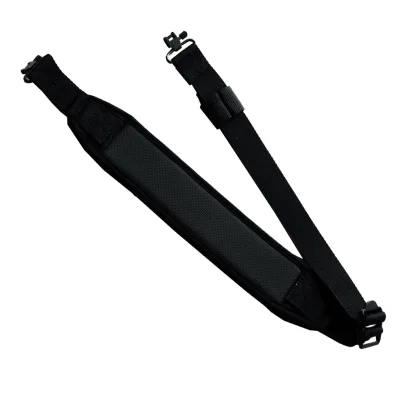
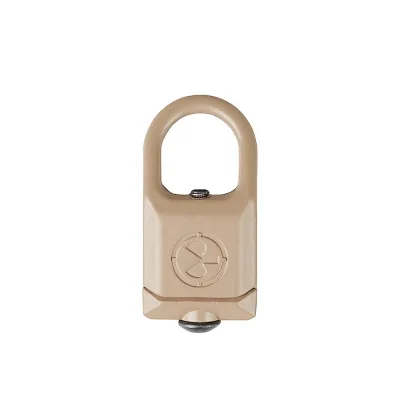


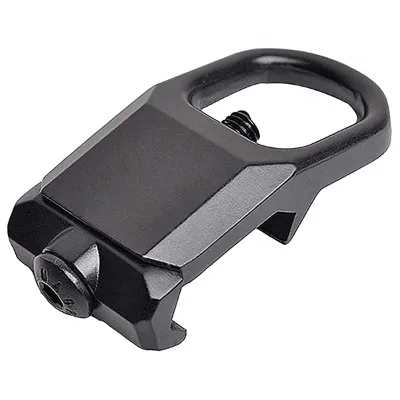


Comprehensive Sourcing Guide
Strategic Sourcing Guide for Outdoor Hunting Quick Detach Slings
The global market for tactical and outdoor hunting equipment continues to expand, with the quick detach sling emerging as a critical accessory for modern hunters and security personnel. Sourcing this specific component requires a nuanced understanding of material science, manufacturing capabilities, and supply chain logistics. This guide provides a comprehensive framework for buyers to evaluate potential suppliers, ensuring that the selected products meet rigorous operational demands while adhering to cost and quality constraints. The focus remains on evidence-based procurement strategies derived from current market observations and verified product attributes.
Technical Specifications and Material Composition
When evaluating quick detach slings for outdoor hunting applications, the primary technical differentiator lies in the material composition and structural integrity. Market analysis indicates that nylon is the predominant material utilized in this category, offering an optimal balance between tensile strength, flexibility, and resistance to abrasion. The specific weight of these slings varies significantly based on design complexity and intended load-bearing capacity. Observed data points to a weight range where some units are as light as 60 grams, while others designed for heavy-duty tactical use may weigh up to 110 grams or more. Buyers must verify the specific weight of the unit they intend to purchase, as lighter slings may compromise durability, whereas heavier ones might add unnecessary burden during long treks.
The physical dimensions of the sling and its packaging are equally critical for logistics planning. Standard single package sizes observed in the market include configurations such as 15x15x10 cm for compact tactical slings, while larger units or those with additional accessories may require 25x20x25 cm or even 30x30x30 cm packaging. These dimensions directly impact shipping costs and storage efficiency. Furthermore, the "High Magnification" attribute often associated with optical equipment is not applicable to the sling itself; however, the sling's design must accommodate the weight of high-magnification scopes without causing the firearm to tip or become unbalanced. The "As picture" size specification suggests that buyers should rely on visual documentation rather than standardized numerical measurements for length and width, necessitating close review of supplier imagery to ensure compatibility with specific firearm models.
Compliance, Certification, and Safety Standards
In the realm of tactical and hunting gear, compliance with international standards is a complex area where buyers must exercise caution. While background information often references standards such as EN 1492-1, ISO 9001:2015, ISO 14001:2015, and ISO 45001:2018, these are not explicitly confirmed as active certifications for every listed product in the current supply pool. Consequently, procurement teams should not assume that a supplier automatically meets these specific criteria based on general industry knowledge. Instead, the verification process must involve direct inquiry into the supplier's quality management systems.
Buyers should request specific documentation regarding the manufacturing environment and material safety. For instance, the "Non-Waterproof" attribute observed in certain listings highlights a critical performance limitation that must be addressed in the procurement strategy. If the hunting application involves wet environments, relying on non-waterproof slings could lead to equipment failure. Therefore, the buyer must explicitly confirm water resistance capabilities with the supplier before finalizing an order. Additionally, while "OEM Custom Service" and "Acceptable" logos are common, the actual production standards must be validated through on-site audits or third-party inspection reports. The absence of explicit certification claims in the product data means that the burden of proof lies with the buyer to ensure the supplier adheres to relevant safety and quality protocols.
Cost Drivers and Pricing Dynamics
Understanding the cost structure of quick detach slings is essential for budgeting and negotiation. The observed price range for these products spans from $0.95 to $11.29 USD, a significant variance that reflects differences in material quality, manufacturing complexity, and brand positioning. The lower end of this spectrum typically corresponds to basic nylon slings with standard hardware, while the higher end may include specialized features such as enhanced padding, premium buckles, or custom branding.
Minimum Order Quantity (MOQ) is another pivotal cost driver. The market data indicates an MOQ range of 5 to 200 units, with a specific observation of 10 pieces being a common threshold. This variability allows buyers to scale their orders based on immediate needs, though larger volumes often yield better unit economics. The "Selling Units" are typically listed as single items, meaning that pricing is per unit rather than per set, which simplifies cost calculations. However, buyers should be aware that "Custom Packing Acceptable" and "OEM Custom Service" may incur additional setup fees or higher per-unit costs, which should be factored into the total landed cost. The "Sample Time" of 5-7 working days also represents a hidden cost in terms of time and logistics, particularly for buyers requiring rapid prototyping or urgent order fulfillment.
Typical Applications and Operational Context
The versatility of quick detach slings makes them suitable for a wide array of applications beyond simple firearm carrying. The primary use cases identified include tactical operations, hunting, outdoor adventure, and security. The "Trap Targeted Animals: DUCKS" attribute suggests that some accessories in this category may be marketed specifically for waterfowl hunting, implying a need for durability in wet or marshy environments. However, given the "Non-Waterproof" observation, buyers must carefully match the product specifications to the specific environmental conditions of their hunting grounds.
The "Applicable People: Universal" attribute indicates that these slings are designed to fit a broad range of users, regardless of gender or body type. This universality is achieved through adjustable length mechanisms, which are standard in quick detach systems. The "Style: Classic" designation suggests a timeless design that prioritizes function over fashion, appealing to traditional hunters and tactical professionals. The "Usage: Scope Lens Cover" attribute, while seemingly distinct, highlights the ecosystem of accessories that often accompany slings; buyers sourcing slings for hunting setups should consider whether the supplier offers complementary products like lens covers to ensure a cohesive equipment package. The "Season: All Seasons" claim further reinforces the need for year-round durability, requiring the material to withstand temperature fluctuations and varying weather conditions.
Supplier Evaluation and Manufacturing Capabilities
Selecting the right supplier is perhaps the most critical step in the procurement process. The "Place of Origin" data reveals that the majority of these products originate from Zhejiang, China, with some production also occurring in Henan, China. These regions are known for their robust manufacturing infrastructure, particularly in the textile and hardware sectors. However, the presence of multiple origin points necessitates a thorough vetting process to ensure consistency in quality.
Buyers should prioritize suppliers who offer "OEM Custom Service" and "Accept Customized Logo" capabilities, as this indicates a higher level of flexibility and commitment to client needs. The "Service: OEM DOM" and "Service: OEM Custom Service" attributes suggest that suppliers are willing to engage in design, manufacturing, and marketing support, which can be invaluable for private label strategies. However, the "DELIVERY TIME: order confirmation" note implies that lead times may vary significantly based on order specifics, requiring clear communication and contract terms to avoid delays. The "Packaging: Plastic bag" versus "Packaging: Box" distinction also offers insight into the supplier's attention to detail; box packaging often implies a higher-end product line, while plastic bag packaging may be standard for bulk or budget items.
Quality Control and Long-Term Procurement Considerations
Ensuring long-term success in sourcing quick detach slings requires a robust quality control (QC) framework. Given the "Feature: Durable" attribute, the primary QC focus should be on stress testing the quick detach mechanisms and the stitching integrity of the nylon webbing. Buyers should establish clear acceptance criteria for tensile strength and buckle reliability, as failure in these areas could lead to catastrophic equipment loss during hunting or tactical operations. The "Single gross weight" of 0.500 kg for some units versus 2.000 kg for others indicates that weight distribution and packaging density must be carefully monitored to prevent shipping damage.
Long-term procurement considerations also involve the scalability of the supply chain. With an MOQ of 10 pieces, suppliers appear capable of handling small-batch orders, which is ideal for testing new product lines. However, for large-scale deployments, buyers must verify the supplier's capacity to scale production without compromising quality. The "Model Number: 20250516-3" suggests a dynamic product catalog with frequent updates, requiring buyers to maintain open lines of communication to stay informed about new models and discontinuations. Finally, the "Waterproof: Non-Waterproof" limitation necessitates a strategic decision: either source specialized waterproof alternatives or implement protective measures for the slings in wet environments. By adhering to these rigorous evaluation and quality control standards, buyers can secure a reliable supply of high-performance quick detach slings that meet the demanding requirements of outdoor hunting and tactical applications.
FAQs
What material is used for outdoor hunting quick detach slings?
Nylon is the predominant material used for these slings, offering a balance of tensile strength and abrasion resistance. Buyers should verify specific weight ratings, as units range from 60 grams to 110 grams depending on the design complexity and intended load-bearing capacity.
How much is the minimum order quantity for these slings?
The minimum order quantity typically starts at 10 pieces, though some suppliers may accept orders as low as 5 units. Buyers should confirm the specific MOQ with the vendor, as this threshold varies by manufacturer and affects unit pricing and shipping logistics.
Can these slings be customized with a logo or specific packaging?
Yes, suppliers generally accept customized logos and offer OEM custom services for branding needs. Packaging options vary between standard plastic bags and boxes, with custom packing acceptable upon request, though this may influence the final cost and lead time for the order.
Where are the manufacturers of these tactical slings located?
Most manufacturers are located in Zhejiang, China, with some production also occurring in Henan, China. Buyers should verify the specific place of origin for their order, as regional differences can impact shipping costs and the consistency of manufacturing quality standards.
What is the price range for outdoor hunting quick detach slings?
The observed price range spans from 0.95 to 11.29 USD per unit, reflecting differences in material quality and hardware. Lower prices typically correspond to basic nylon models, while higher prices may include specialized features like enhanced padding or premium buckles.
Are these slings waterproof for use in wet hunting environments?
Some listed products are explicitly marked as non-waterproof, which is a critical limitation for wet environments. Buyers must confirm water resistance capabilities with the supplier before ordering, as relying on non-waterproof slings could lead to equipment failure during waterfowl hunting.
What is the delivery time for custom orders of these slings?
Delivery times are often noted as starting from order confirmation, but sample times typically take 5 to 7 working days. Buyers should clarify specific lead times with the supplier, as production capacity and customization requirements can significantly affect the final delivery schedule.